Are you selling a Inheriting jewelry collection of fine jewelry, luxury timepieces, or family heirlooms is a profound moment, often...
The diamond industry has reached a historic turning point in 2026. While lab-grown diamonds have dominated engagement ring sales for years due to their affordability, a “valuation gap” has emerged on the secondary market. If you are a resident of the Rio Grande Valley looking to liquidate your jewelry, understanding the difference between retail price and resale liquidity is essential.
At MC Allen Jewelry Buyers, we believe in radical transparency. Whether you own a GIA-certified natural stone or a modern CVD-grown diamond, this guide breaks down the current economic reality of diamond resale in today’s market.
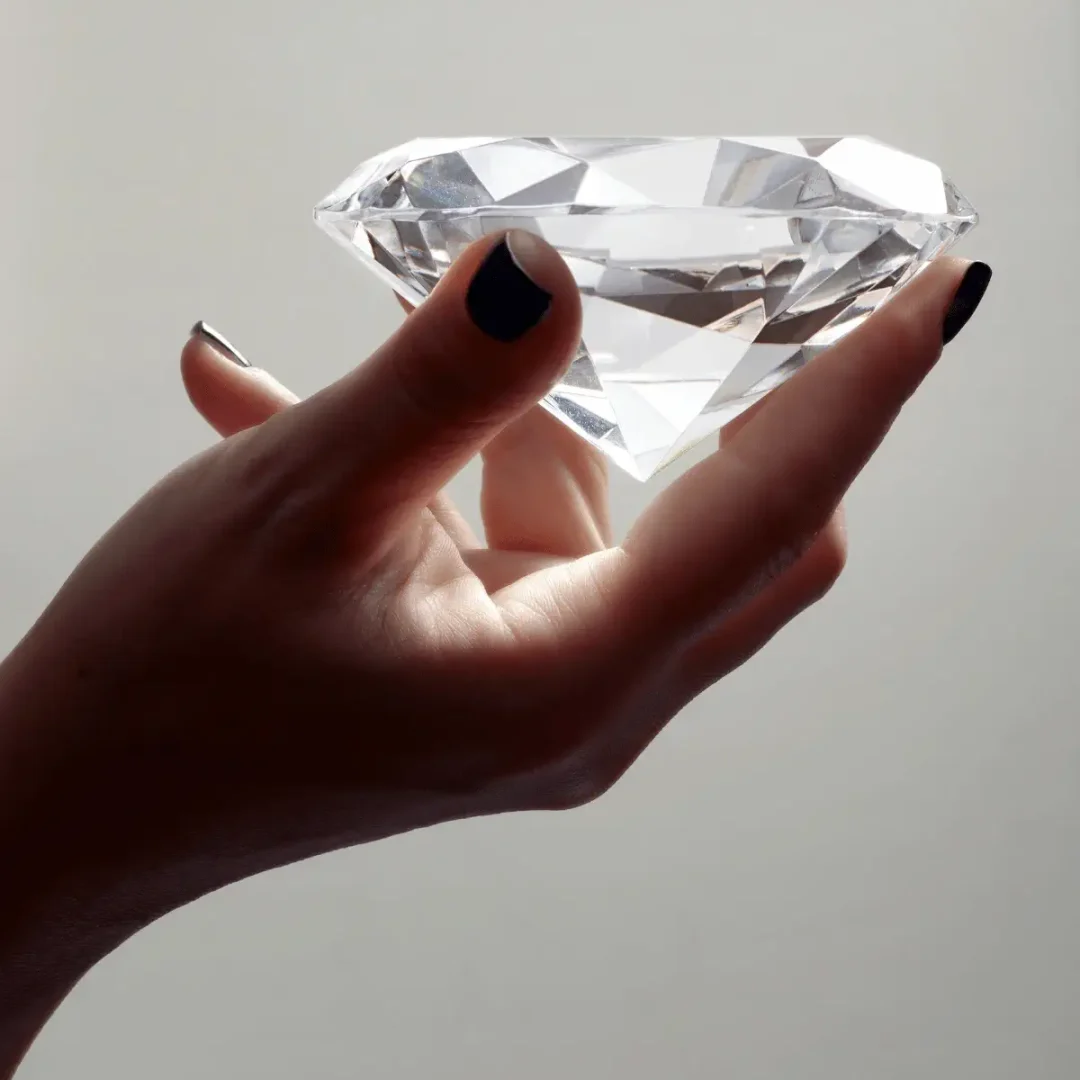
The primary reason people choose lab-grown diamonds is the massive upfront savings—often 80% to 85% less than natural counterparts. However, from a lab diamond resale value 2026 perspective, this affordability comes with a trade-off.
Because technology has made mass production more efficient, the cost of creating new lab diamonds continues to drop. For a secondary market buyer, this means a lab diamond purchased three years ago might now be available brand-new for less than the original wholesale price. When you sell lab grown diamond Texas assets today, you should expect a resale value that reflects its status as a high-tech luxury product rather than a rare geological specimen.
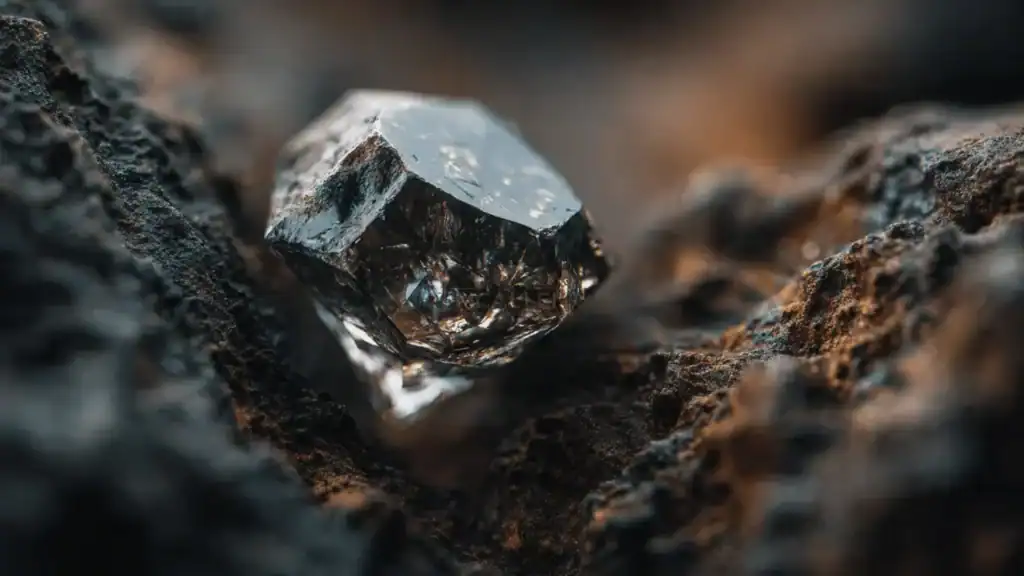
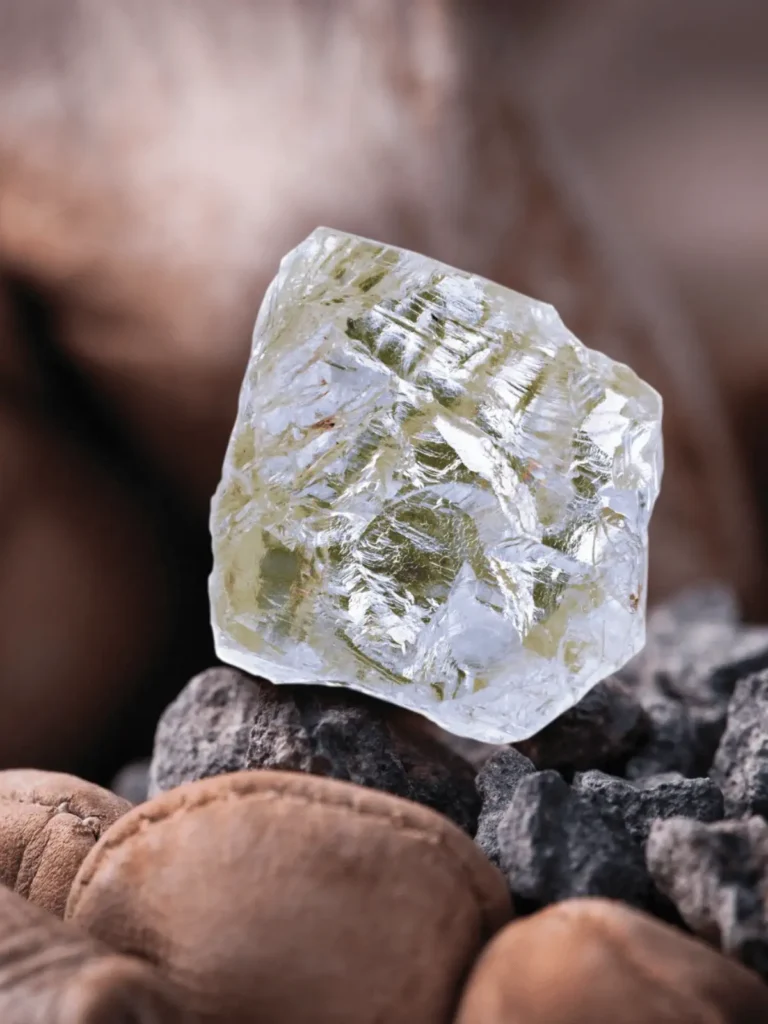
Natural diamonds remain the gold standard for long-term value retention. As a natural diamond buyer McAllen TX, we see that earth-mined stones benefit from “structural scarcity.” Unlike lab stones, the supply of high-quality natural diamonds is finite.
In 2026, natural diamonds typically retain 40% to 60% of their original retail value on the secondary market, whereas lab diamonds often sit between 10% and 15%. This doesn’t make lab diamonds a “bad” purchase it just means they are a lifestyle choice rather than a financial one. If your goal is an asset that holds a significant portion of its purchase price, natural diamonds continue to lead the way.
When you visit our secure McAllen office, our GIA-trained experts use different metrics for each stone type:
For Natural Diamonds: We focus on the 4Cs and the current Rapaport Diamond Report indices. We look for rarity, such as “D” color or “IF” clarity, which carries a significant premium in the natural world.
For Lab-Grown Diamonds: We evaluate the growth method (CVD vs. HPHT). Interestingly, in 2026, CVD diamonds often perform slightly better on the resale market because they typically lack the metallic inclusions sometimes found in HPHT stones, leading to better visual performance.
One of the hardest truths for consumers is the “Markup Gap.” Legacy retailers often sell lab diamonds with markups as high as 70%. When you go to sell that diamond later, you are selling into a wholesale market that ignores that retail overhead.
At MC Allen Jewelry Buyers, we bridge this gap by offering direct-to-market pricing. Because we skip the middlemen and sell into a global network of specialized collectors, we can often provide a more competitive offer than a general pawn shop that may not even recognize the difference between a high-quality lab stone and a cheap alternative.
Regardless of whether your diamond was grown in a lab or the earth, documentation is the key to a higher payout.
Certification: A GIA or IGI report is non-negotiable for high-value offers in 2026.
Original Invoices: These help establish the provenance and original quality standards of the stone.
Brand Context: If your lab-grown diamond is from a designer house, it may carry a small “brand premium” that our experts can identify.
The diamond market of 2026 is a dual-track system. Lab-grown diamonds offer incredible beauty and size for a fraction of the cost, making them perfect for those who want the “look” without the investment-level price tag. On the other hand, natural diamonds remain the definitive choice for those who value geological rarity and better resale support.
At MC Allen Jewelry Buyers, our goal isn’t to tell you which stone is “better,” but to ensure you have the data to make the right move for your finances. If you are ready to see what your jewelry is worth in today’s climate, we invite you to experience our private, professional appraisal process.
The primary factor is "structural scarcity." While natural diamonds are a finite geological resource, lab-grown diamonds are a manufactured product. As technology improves and mass production scales, the cost to create new lab diamonds continues to drop, which lowers the secondary market value of existing ones.
Yes. To the naked eye, they are chemically and optically identical; however, professional buyers use advanced gemological equipment to detect specific growth patterns or trace elements. At our McAllen office, we use specialized technology to identify CVD or HPHT growth methods to ensure a 100% accurate valuation.
Absolutely. Even though they are grown in a lab, they are still graded on the same scale as natural diamonds. A lab-grown diamond with "Ideal" cut and "D" color will still command a higher resale price than a lower-quality lab stone, though it will not reach the price levels of a natural diamond with those same specs.
Current 2026 market trends suggest that lab diamond production costs are still declining. If you are looking to liquidate a lab-grown asset, it is often better to do so sooner rather than later, as the "replacement cost" for a new stone may be lower in the future, further impacting your potential payout.

Are you selling a Inheriting jewelry collection of fine jewelry, luxury timepieces, or family heirlooms is a profound moment, often...

David Yurman Resale Value Guide 2026 Which Pieces Are Worth Selling in McAllen Right Now? If you live in the...

Selling a Solid Gold Watch How to Get Paid for Both the Brand and the Gold Weight Selling a solid...

Modern vs. Vintage Rolex in 2026 When to Sell and When to Hold The luxury watch market in 2026 has...

Natural vs. Lab-Grown Diamonds in 2026 What Each Is Worth on the Resale Market in McAllen The diamond industry has...

How to Sell an Inherited Engagement Ring Inherited a diamond engagement ring and unsure what to do with it? Our...

Cash for Gold in McAllen How Much Is Your Gold Worth? Gold jewelry often sits unused for years in drawers...

Jewelry Buyers vs Pawn Shops in McAllen: What’s the Difference? If you’re thinking about selling jewelry or a luxury watch,...

Where to Sell a Rolex in McAllen: What You Should Know Before Selling Your Luxury Watch Luxury watches are more...
Cash for Gold, Diamonds & Luxury Watches