
Why Designer Jewelry Is a 'Hard Asset'
Protecting Your Wealth During Inflation
If you own a Cartier Love bracelet, a Van Cleef & Arpels Alhambra necklace, or a piece from Tiffany, Bulgari, or Harry Winston, you are holding more than a beautiful object. You are holding a hard asset one that financial analysts, auction houses, and high-net-worth investors are increasingly treating with the same seriousness as gold bullion or investment-grade real estate.
In a period of sustained inflation, rising gold prices, and economic unpredictability, Designer jewelry as an investment is not a stretch it is a documented, data-backed financial strategy. And for those sitting on valuable collections, 2026 may be the most advantageous moment in years to understand what their pieces are truly worth. This guide breaks down the economic case for luxury jewelry as a hard asset, explains which brands and pieces hold the most value, and walks through what RGV residents need to know before selling.
1. What Is a "Hard Asset" and Why Jewelry Qualifies
A hard asset is any tangible, physical item that holds intrinsic value independent of any government’s promise or a company’s earnings. Gold, silver, real estate, oil these are the classic examples. Unlike stocks or bonds, hard assets do not rely on a counterparty. They exist. They are scarce. And during inflationary periods, they tend to hold or grow purchasing power precisely because the paper currency chasing them becomes worth less.
Luxury jewelry meets every criterion of a hard asset:
- Intrinsic material value: Fine jewelry contains real gold, platinum, and precious gemstones — materials with independent commodity markets.
- Scarcity: Iconic designs from houses like Cartier and Van Cleef & Arpels are produced in controlled quantities. Vintage and discontinued pieces are, by definition, finite.
- Durability: Unlike a car or electronics, properly stored gold-and-gemstone jewelry does not degrade. A Cartier bracelet purchased in 1975 is physically indistinguishable from a new one today.
- Portability: Unlike real estate, a hard asset jewelry collection can be transported, liquidated, or transferred across borders without the friction of title transfers or property taxes.
Thorne Perkin, president of investment management firm Papamarkou Wellner Perkin, put it plainly in a 2026 analysis: “Whenever you have macroeconomic volatility, the appeal of hard asset investing goes up. Tangible assets tend to retain their value or even increase when inflation rises.”
The Inflation Connection: Why Luxury Jewelry Performs During Economic Stress
Inflation erodes the purchasing power of cash. A dollar held in a savings account earning 1% while inflation runs at 4% is, in real terms, losing value every month. This is precisely why investors have historically rotated into hard assets during inflationary cycles and why luxury jewelry as a hedge against inflation is no longer a fringe argument.
The data in 2025 and 2026 tells a clear story:
- Goldman Sachs projects gold reaching $5,000 per ounce in 2026, while UBS forecasts extend to $5,400 and physical bullion and jewelry remain among the most efficient vehicles for long-term investors.
- Gold soared to its highest price ever in early 2026, above $5,100 an ounce, a level that reinforced the case for gold-heavy and gemstone-driven jewelry as a flight-to-safety asset.
- Per the Knight Frank Luxury Investment Index, signed jewelry posted a 33.5% gain over the past decade a return that held up even as art markets collapsed and wine corrected sharply.
Which Brands Actually Hold Their Value: The Data
Not all jewelry appreciates equally. A costume piece or an off-brand diamond ring may lose the majority of its retail value immediately. But a short list of established luxury houses consistently demonstrates documented value retention and appreciation the names that matter for RGV sellers and collectors are the same ones dominating global auction houses.
Cartier
When it first debuted in 1969, the Cartier Love bracelet’s original purchase price was $250. Today, the retail price for the same bracelet is $6,550. That is not just inflation adjustment that is a brand that has systematically increased pricing while maintaining demand.
Beyond the Love and Juste un Clou, Cartier’s Panthère de Cartier collection holds around 89% of its value at resale, and the Amulette de Cartier line maintains approximately 93%. The Trinity collection can hold up to 82%.
The data shows that popular Cartier models typically retain 87- 99% of their retail value in excellent condition, with some vintage and limited pieces actually appreciating above original retail prices.
Van Cleef & Arpels
Van Cleef & Arpels jewelry achieved 112% value retention in 2025, marking a 9% increase from the previous year. Alhambra pieces routinely hold 80–90% of their retail price.
The numbers on individual designs are even more striking: Zip necklaces rose over 200% in value over the last decade, and Mystery-Set creations increased 300% at auction. Vintage pieces from the 1970s and 1980s now sell for 2 – 3 times their original prices.
The Alhambra collection specifically sells for 86% of its original retail price on average, and 90% of pieces sell within 30 days a liquidity profile that few hard assets can match.
Tiffany & Co., Bulgari, and Harry Winston
These three houses round out what is widely considered the “investable tier” of fine jewelry. Brands like Cartier, Van Cleef & Arpels, Tiffany & Co., and Bulgari make up approximately 90% of luxury resale site MyGemma’s jewelry sales a market signal that liquidity is concentrated in the most recognizable names.
Harry Winston, known as “the king of diamonds,” commands particular premiums for estate and vintage pieces, especially those with documented provenance from notable collections.
Why 2026 Is a Particularly Important Moment for RGV Jewelry Holders
For McAllen and Rio Grande Valley residents who own pieces from these houses, the current macro environment creates a specific window of opportunity — whether they are looking to sell, to appraise, or simply to understand what they own.
Several factors converge in 2026:
Record gold prices lift all boats. Gold is hovering above $5,000 an ounce in early 2026, up more than 70% from a year ago. Because fine jewelry’s intrinsic material value is denominated in gold and platinum, the floor under virtually every piece has risen substantially.
Luxury brands keep raising retail prices. Richemont, Cartier’s parent company, executed moderate 5 – 8% price bumps across bracelets in 2024, while other houses pushed 8 – 10% increases. Every retail price increase raises the replacement cost of existing pieces which directly supports resale values.
The pre-owned market has matured. A generation of buyers who grew up on resale platforms no longer carries the secondhand stigma of prior generations. This cultural shift has expanded the pool of buyers for pre-owned luxury jewelry and tightened the discount between retail and resale.
Tariffs increased replacement costs. Tariffs raised the replacement cost on newly imported diamond jewelry, and boutiques can no longer source the vintage pieces collectors want they were made in 1968 or 1975 and the maison doesn’t have them. For sellers of vintage signed pieces, this scarcity premium is real.
Younger buyers are entering the market. In 2025, millennials and Gen Z accounted for 44% of Christie’s luxury buyers a structural demand driver that is not cyclical and is likely to persist.
What Smart RGV Sellers Know Before They Walk In the Door
Understanding the value of your designer jewelry before speaking with a buyer is the single most important thing you can do. Here is what determines how a piece is appraised:
Brand and Collection Recognition The difference between a Cartier Love bracelet and an unbranded gold bracelet of identical weight is enormous. Signed pieces command a “brand premium” that can represent 50–100% of the material value. A buyer should be able to articulate this premium specifically, not just offer you scrap gold prices.
Condition and Documentation Even small scratches or signs of poor maintenance can reduce value by 10–20%. Original boxes, certificates of authenticity, and service records meaningfully increase what a knowledgeable buyer will offer. If you have paperwork, bring it.
Which Pieces Are Most Liquid Not all signed pieces sell equally fast. Focus on iconic, widely-recognized designs: Cartier Love, Juste un Clou, Trinity, Tank; Van Cleef Alhambra; Tiffany T and Return to Tiffany; Bulgari B.zero1; Harry Winston solitaire pieces. These are the designs that resale buyers actively seek and that command the closest-to-retail prices.
Getting Multiple Assessments The resale market for designer jewelry in South Texas is not uniformly sophisticated. A pawn shop and a certified luxury jewelry buyer are not the same thing. Work with a buyer who has demonstrated knowledge of luxury brand premiums and current secondary market pricing — not just metal spot prices.
Timing Matters Average retail sale prices for jewelry increased 10.9% year-over-year in 2025, and material costs continue to climb in 2026. Waiting while retail prices rise is a legitimate strategy — but it requires secure storage and proper insurance.
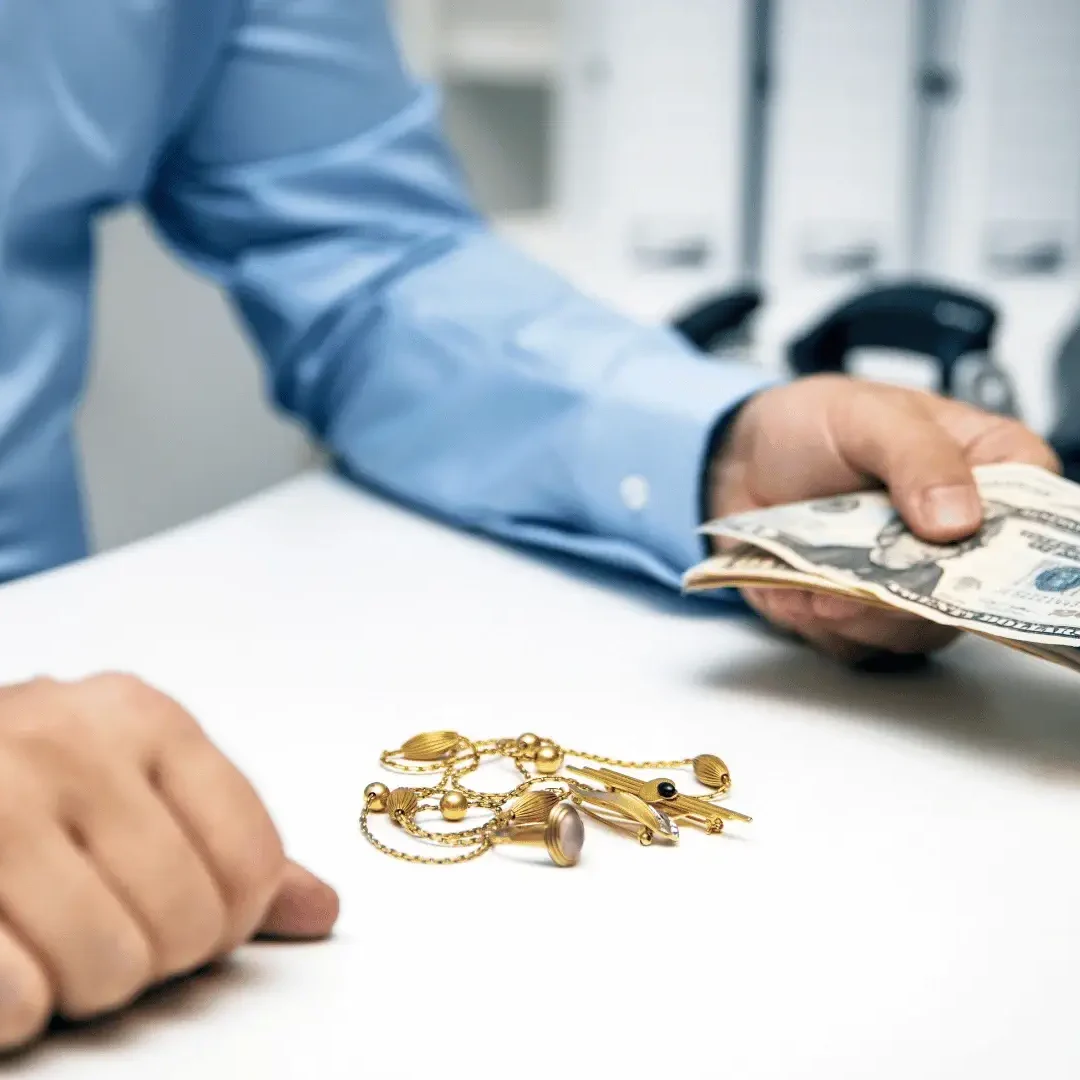
Conclusion: Your Collection May Be Worth More Than You Think
Inflation has quietly done something remarkable for McAllen and RGV residents who own quality designer jewelry: it has increased the replacement cost of every signed Cartier, Van Cleef, Tiffany, Bulgari, and Harry Winston piece sitting in a jewelry box. Rising gold prices, persistent luxury price hikes, a maturing resale market, and documented long-term appreciation from houses with decades of brand discipline have converged to make 2026 one of the more favorable environments in recent memory for sellers.
The question is not whether your jewelry has value. The question is whether you are working with someone sophisticated enough to recognize it.
Frecuent Asked Questions
It depends entirely on the brand and piece. Pieces from houses like Cartier, Van Cleef & Arpels, Tiffany, Bulgari, and Harry Winston have documented resale histories and consistent demand on secondary markets. The Knight Frank Luxury Investment Index tracked a 33.5% return for signed jewelry over the past decade — outperforming art and wine during that same period. But an unbranded or off-tier piece is a different story. The "investment" quality lives in the brand premium, not the object itself. Buy iconic, recognizable designs from the houses above, and you are holding a real asset. Buy anything else expecting appreciation, and you will likely be disappointed.
Inflation lifts jewelry value through two channels simultaneously. First, the material floor rises: gold above $5,100 an ounce in 2026 means the intrinsic metal content of any fine piece is worth more in dollar terms. Second, luxury brands systematically raise retail prices faster than general inflation Cartier's parent Richemont pushed 5–8% price hikes in 2024, while other houses executed 8–10% increases. Every retail price increase raises the replacement cost of your existing piece, which directly supports what a knowledgeable buyer will pay for it. Unlike cash sitting in a savings account losing real purchasing power, a Cartier bracelet purchased five years ago is worth more in nominal terms today and has likely held its real value too.
Consistency matters more than rarity at the entry level. The Cartier Love bracelet, Juste un Clou, and Trinity ring are the most liquid signed pieces in the world — buyers exist everywhere, at all times. Van Cleef & Arpels Alhambra necklaces and bracelets are close behind, with 90% of pieces selling within 30 days on resale platforms. At the higher end, Van Cleef Mystery-Set creations and Zip necklaces have appreciated over 200–300% in the last decade. The common thread: iconic silhouettes, discontinued or limited materials, and solid gold or platinum construction. Sterling silver pieces from any house depreciate faster and should not be purchased with resale in mind.
Bring everything that came with the piece: original box, outer packaging, certificate of authenticity, service receipts, and any purchase documentation. These materials can meaningfully increase what a qualified buyer offers — sometimes by 10–20% above the piece alone. If you no longer have the paperwork, that is fine; a knowledgeable buyer can still assess and authenticate the piece itself. Also bring a valid photo ID. If you have multiple pieces, bring them all even pieces you are unsure about. An assessment costs you nothing and gives you information you can act on at your own pace.
A pawn shop prices your piece primarily on scrap metal weight and stone weight they are essentially buying raw materials at a discount. A specialist luxury buyer prices on brand premium, collection desirability, condition, secondary market demand, and current retail comparables. That difference is enormous for signed pieces: a Cartier Love bracelet appraised at scrap gold value might fetch $800. The same bracelet sold to a buyer who understands the luxury resale market might bring $4,500 or more. If a buyer cannot tell you which Cartier collections are currently most liquid, or what the Alhambra resale premium is, they are not equipped to pay you fairly for what you actually own.
Several factors favor sellers in 2026: gold is at record highs, retail replacement costs have risen substantially due to consecutive brand price increases, and a new generation of buyers millennials and Gen Z accounted for 44% of Christie's luxury buyers in 2025 is actively shopping the secondary market. That said, if you own vintage or discontinued pieces in excellent condition with documentation, the case for waiting weakens — scarcity only increases over time and those pieces tend to appreciate further. The most useful first step is a no-obligation assessment. Once you know the number, you can decide whether to sell now, hold, or insure accordingly. There is no cost to being informed.
Ready to Find Out What Your Designer Jewelry Is Worth? — Sell With a Trusted Hard Asset Buyer in McAllen
If you are holding Cartier, Van Cleef & Arpels, Tiffany & Co., Bulgari, Harry Winston, or another luxury house piece and are considering whether now is the right time to sell, the most important first step is a professional assessment from a buyer who understands the secondary luxury market not just the weight of the metal.
We buy designer jewelry in McAllen and across the Rio Grande Valley. Our assessments are based on current secondary market data, brand premiums, and condition not just scrap value. There is no obligation, and we will explain exactly how we arrive at every number.
Located in McAllen, TX.
Call or text us to schedule your private assessment
Confidential, no-pressure consultations
Whether you are selling one piece or an entire collection, you deserve to know its real value. Contact us today.
Read More in Our Blog
- All Posts
- Cash for Gold
- Diamond Buyer
- Gold Buyer
- Investment
- Luxury Watch Tips
Top 5 Watch Brands That Sell Fast in McAllen 2026 | McAllen Jewelry & Watch Buyers McAllen Jewelry & Watch...

Idioma English Español McAllen Jewelry Buyers How to Read a GIA Report Before Your Appraisal in McAllen Your GIA report...
Gold hit record highs in 2026. If you have gold jewelry, coins, or bars sitting at home in McAllen, here...
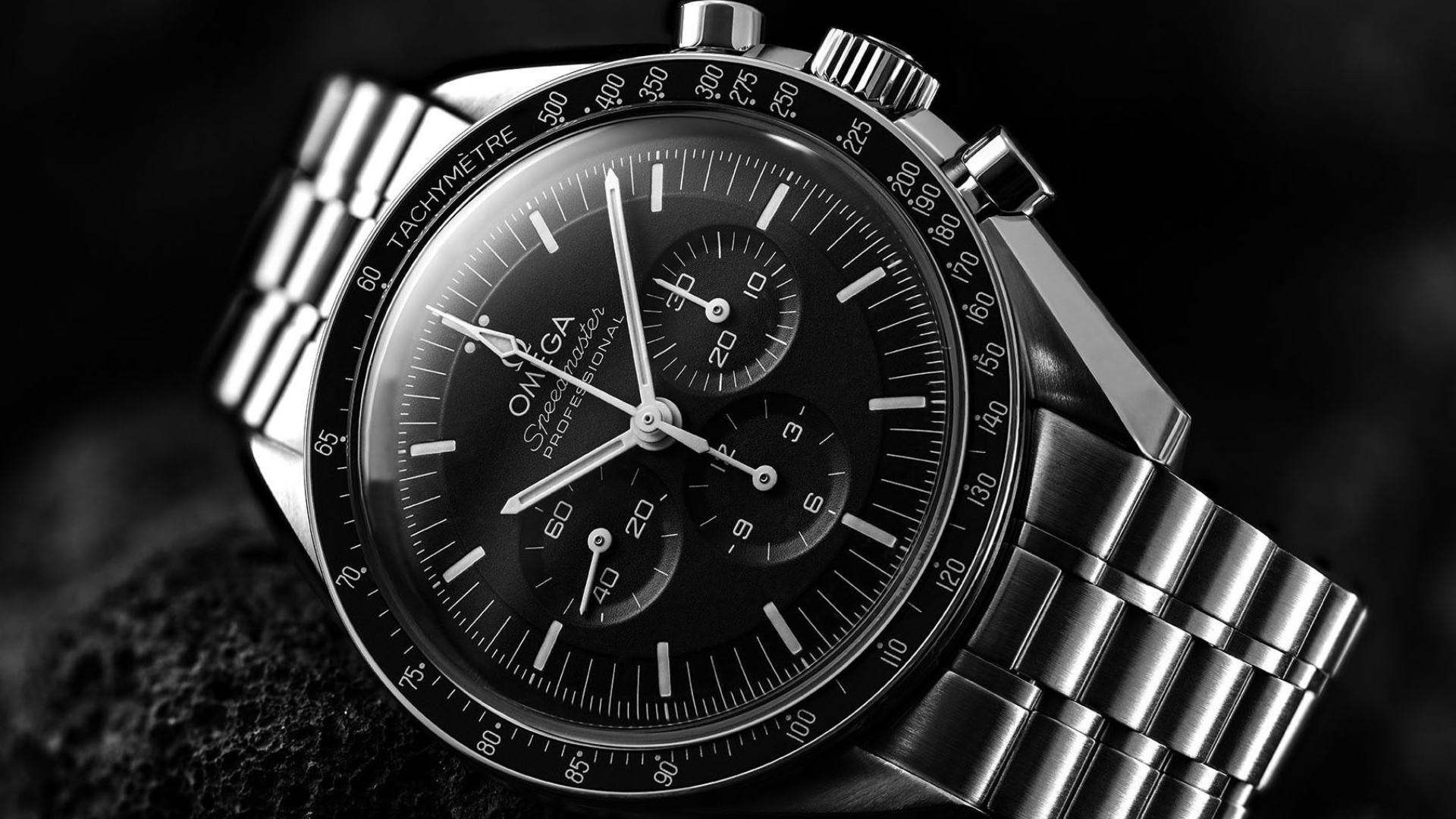
Omega Seamaster Price Guide 2026 | What Buyers Pay | McAllen Jewelry & Watch Buyers Luxury Watch Guide · McAllen...

The Van Cleef & Arpels resale value remains unrivaled in 2026. Discover why the Alhambra collection acts as a top-performing...
How to Avoid Scams The Dangers of Selling Luxury Watches on Online Marketplaces Selling a luxury timepiece like a Rolex,...
Why Designer Jewelry Is a 'Hard Asset': Learn how McAllen sellers are leveraging their collections as financial assets.
Why 2026 is the Most Profitable Year to Sell Gold in McAllen in this guide breaks down exactly why gold...

Want to know how gold buyers calculate your offer? In this blog is how transparent gold buyers determine your payout